Dogs aren’t just pets—they’re family. And like any family member, they need proper care, attention, and love to thrive. Whether you’re a first-time dog parent or a seasoned pup pro, this guide covers the essentials of dog care to help your furry friend live a long, happy, tail-wagging life.
Dogs bring joy, loyalty, and unconditional love into our lives. In return, they depend on us for proper care and attention. Whether you’re welcoming a new puppy or caring for an older dog, understanding the basics of dog care is essential for their well-being. This guide covers everything you need to know to give your dog a healthy and happy life
Proper Nutrition for a Healthy Dog
Good nutrition is the foundation of dog care. A balanced diet helps maintain energy levels, supports growth, and prevents illness.
Choose high-quality dog food that suits your dog’s age, size, and activity level. Puppies need nutrient-dense food for growth, while adult and senior dogs benefit from diets that support joints and digestion. Avoid feeding dogs harmful human foods such as chocolate, grapes, onions, and overly salty snacks. Always provide fresh, clean water to keep your dog hydrated.
Exercise and Physical Activity
Regular exercise keeps dogs physically fit and mentally balanced. Daily walks, playtime, and interactive games help prevent obesity and behavioral problems.
Different breeds have different energy levels. Active breeds require longer walks and stimulating activities, while smaller or older dogs may need shorter, gentler exercise sessions. Consistent physical activity improves heart health, strengthens muscles, and reduces anxiety.
Grooming and Hygiene
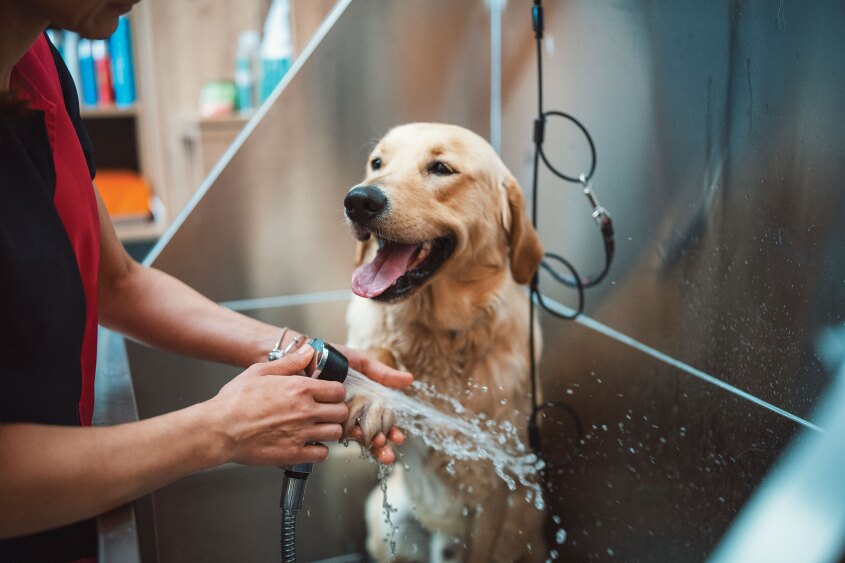
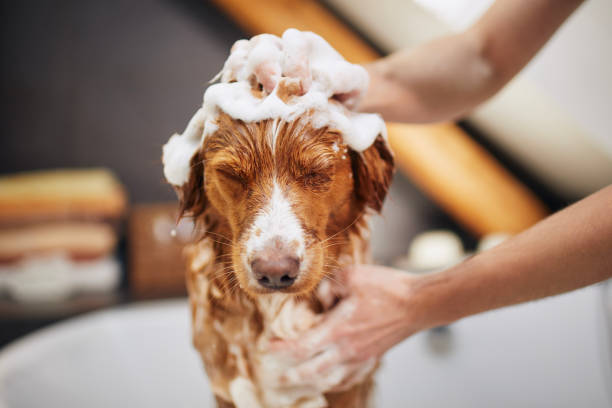
Grooming is an important part of maintaining your dog’s overall health. Brushing helps remove loose fur, prevents matting, and keeps the coat shiny. Bathing should be done as needed, using dog-safe shampoo to protect their skin.
Nail trimming, ear cleaning, and dental care are equally important. Long nails can cause discomfort, dirty ears may lead to infections, and poor dental hygiene can result in serious health issues. Regular grooming also allows you to check for lumps, ticks, or skin problems early.
Veterinary Care and Preventive Health
Routine veterinary visits are essential for preventing illness and detecting health issues early. Dogs should receive regular vaccinations, flea and tick prevention, and deworming as recommended by a veterinarian.
Annual health checkups help monitor your dog’s weight, teeth, and overall condition. Puppies and senior dogs may require more frequent visits. Pay attention to changes in appetite, behavior, or energy levels, as these may indicate health concerns.
Training and Socialization
Training helps dogs understand boundaries and builds a strong bond between you and your pet. Basic commands like sit, stay, and come improve safety and communication.
Positive reinforcement methods—such as treats, praise, and play—are the most effective and humane way to train dogs. Early socialization with people, other dogs, and new environments helps prevent fear and aggression later in life. Well-trained dogs are more confident, relaxed, and enjoyable companions.
Mental Stimulation and Enrichment
Mental exercise is just as important as physical activity. Dogs need stimulation to stay happy and avoid boredom.
Interactive toys, puzzle feeders, training sessions, and scent games keep dogs mentally engaged. Changing walking routes or introducing new toys can also provide enrichment. A mentally stimulated dog is less likely to develop destructive behaviors.
Love, Routine, and Emotional Care
Dogs thrive in a stable, loving environment. A consistent routine for feeding, exercise, and rest helps them feel secure. Quality time—whether through play, training, or quiet companionship—strengthens your bond.
Affection, patience, and attention are just as important as food and exercise. Dogs are social animals, and emotional care plays a big role in their overall happiness.
Conclusion
Caring for a dog requires commitment, but the rewards are immeasurable. With proper nutrition, regular exercise, grooming, veterinary care, training, and plenty of love, your dog can live a long, healthy, and joyful life. When you care for your dog wholeheartedly, they return the favor with loyalty, companionship, and endless affection.