Introduction
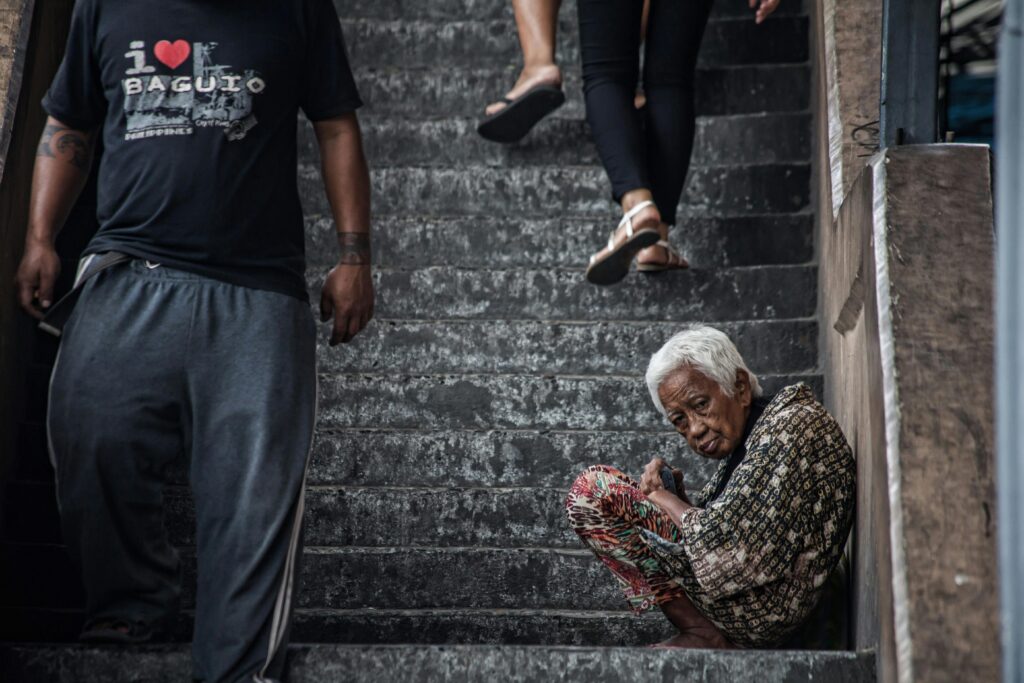
Poverty in India continues to be a significant socio-economic concern despite steady economic progress. It affects access to basic necessities such as education, healthcare, and employment, particularly among vulnerable populations in rural and urban areas.
Economic Disparities
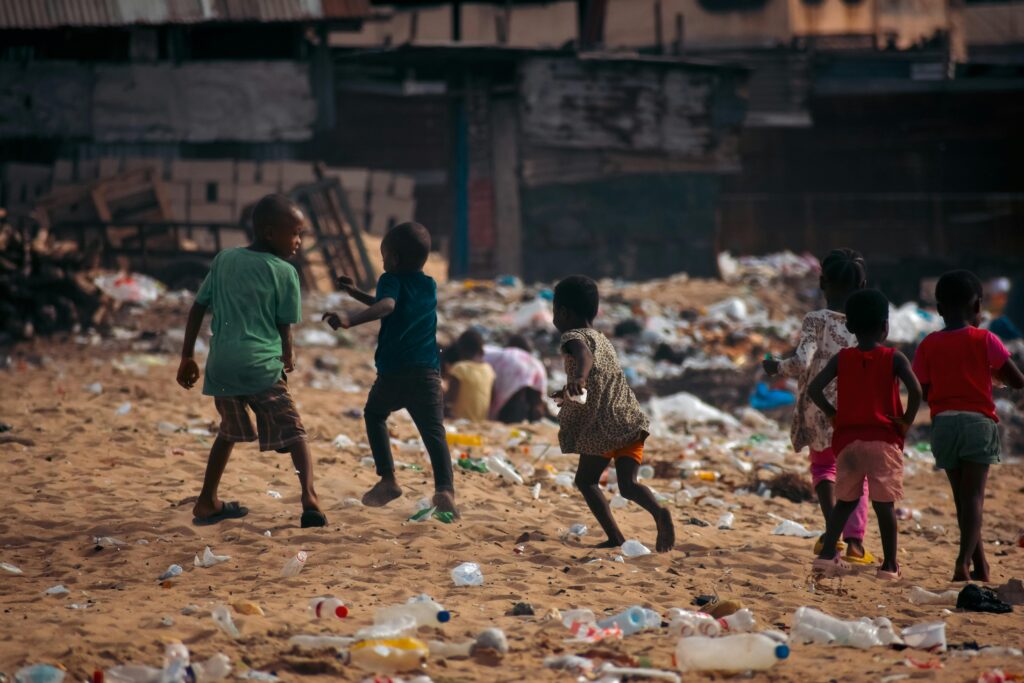
Unequal distribution of income and resources remains a key challenge. A large portion of the population depends on low-paying informal jobs, limiting financial stability and growth opportunities.
Educational Barriers
Limited access to quality education restricts skill development. Many children, especially in rural areas, face inadequate infrastructure and resources, leading to high dropout rates.
Healthcare Limitations
Affordable healthcare remains out of reach for many. High medical expenses and insufficient public health facilities often push families deeper into poverty.
Employment Challenges
Unemployment and underemployment continue to affect economic security. Lack of stable job opportunities results in inconsistent income for many households.
Social Inequality
Factors such as caste and gender discrimination further limit access to opportunities, making it harder for marginalized groups to escape poverty.
Conclusion
Poverty in India is a multi-dimensional issue that requires focused efforts in education, healthcare, and employment generation. Sustainable and inclusive policies are essential to improve living conditions and reduce inequality.