Yoga: A Simple Path to a Healthier, Happier Life
Introduction: Why Yoga Still Matters Today
In a world full of stress, fast schedules, and constant distractions, maintaining both physical and mental health has become challenging. People are busy chasing goals, often ignoring their well-being. This is where yoga proves its timeless value. Practiced for centuries, yoga is not just an exercise—it is a complete lifestyle that promotes balance, peace, and strength.
What Is Yoga?
Yoga is a practice that connects the body, mind, and breath. It includes physical postures (asanas), breathing techniques (pranayama), and meditation. Unlike other forms of exercise, yoga focuses not only on the body but also on mental clarity and emotional stability. It teaches you to be present, aware, and in control of your thoughts.
Physical Benefits of Yoga
One of the most visible benefits of yoga is improved physical health. Regular practice increases flexibility, strengthens muscles, and improves posture. It also supports better digestion, boosts immunity, and enhances overall energy levels.
For example, simple poses like stretching and balancing can reduce body stiffness caused by long hours of sitting. People who practice yoga often experience less body pain and better mobility. Over time, yoga helps build a stronger and more active body.
Mental and Emotional Well-being
While physical benefits are important, yoga’s real strength lies in improving mental health. In today’s world, stress, anxiety, and overthinking are common problems. Yoga helps calm the mind through deep breathing and meditation.
Practicing yoga regularly can reduce negative thoughts and improve mood. It creates a sense of peace and relaxation. Even a few minutes of mindful breathing can make a big difference in how you feel throughout the day.
For students and working professionals, this mental clarity leads to better focus, decision-making, and productivity.
Yoga in Daily Life
One of the best things about yoga is that it is simple and accessible. You don’t need expensive equipment or a large space. Even 15–20 minutes a day is enough to start seeing results.
You can begin your day with light stretching and breathing exercises. Taking short breaks during work or study to practice deep breathing can refresh your mind. Evening meditation can help you relax and sleep better.
The key is consistency. Small daily efforts can create long-term benefits.
Building Discipline and Awareness
Yoga also teaches discipline and self-awareness. It encourages you to listen to your body and understand your limits. Instead of rushing, yoga promotes patience and steady progress.
This mindset is useful not just in health, but in life. You learn to stay calm during challenges, make better choices, and maintain balance in difficult situations.
Yoga for Everyone
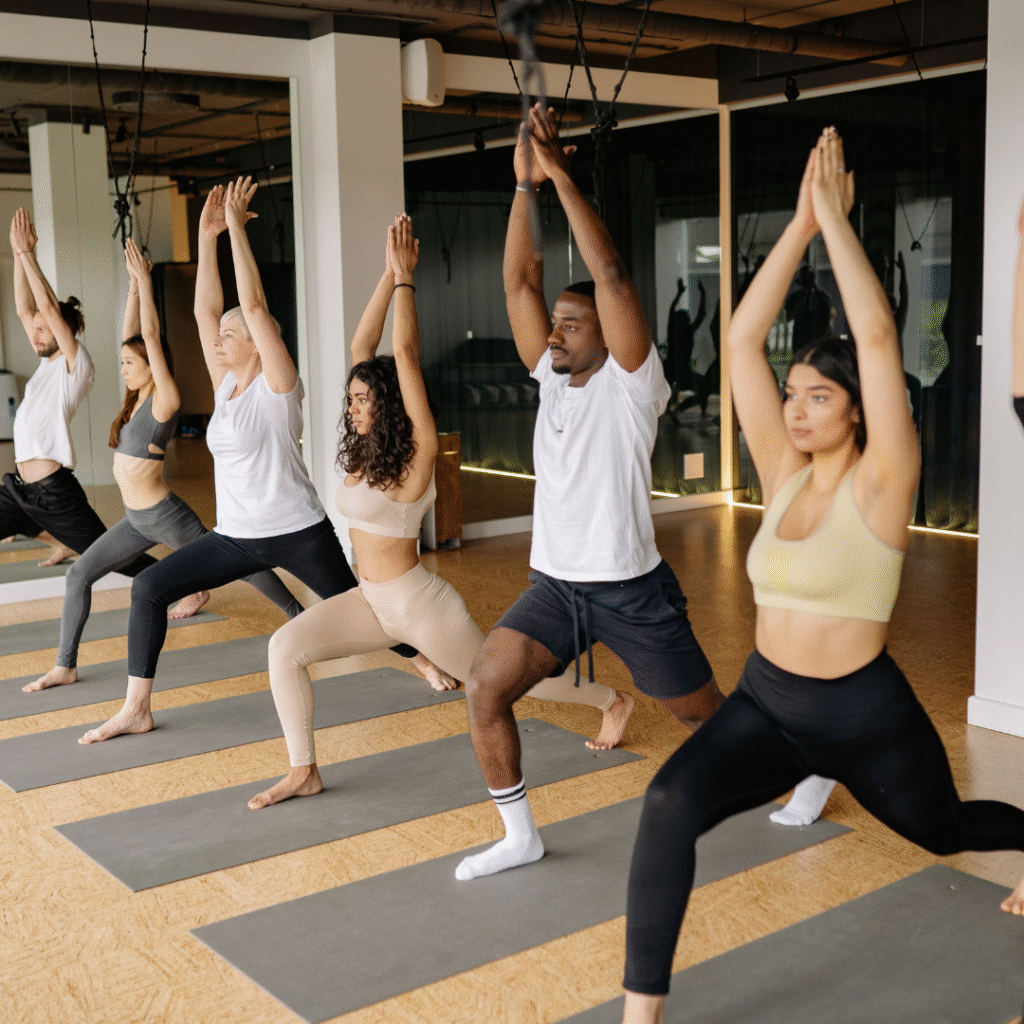
Yoga is for everyone, regardless of age or fitness level. Whether you are a student, a professional, or an older adult, yoga can be adapted to suit your needs. It does not focus on competition but on personal growth.
Unlike intense workouts that may feel exhausting, yoga feels refreshing. It helps you feel connected to yourself, which is often missing in today’s busy lifestyle.
Conclusion: A Lifestyle, Not Just an Activity
Yoga is more than a daily routine—it is a way of living. It teaches balance between body and mind, effort and relaxation, success and peace. In a world that constantly pushes us to do more, yoga reminds us to slow down and take care of ourselves.
By practicing yoga regularly, you invest in your long-term health and happiness. It may seem like a small step, but its impact is powerful. In the end, a healthy body, a calm mind, and a balanced life are the true signs of success.