The cornerstone of a country’s development is education. Millions of young minds have been shaped by the education system in a nation as dynamic and diverse as India. Even so, there is still a great need for improvement to guarantee that India’s youth have the knowledge, skills, self-assurance, and opportunities they need to prosper in a world that is changing quickly.
The gap between theoretical knowledge and real-world application is one of the biggest issues facing the Indian educational system today. Pupils frequently do well at memorisation but find it difficult to apply concepts in practical settings. The creative, critical thinking, and problem-solving skills that are necessary for the workforce of the twenty-first century are restricted by this rote learning system.
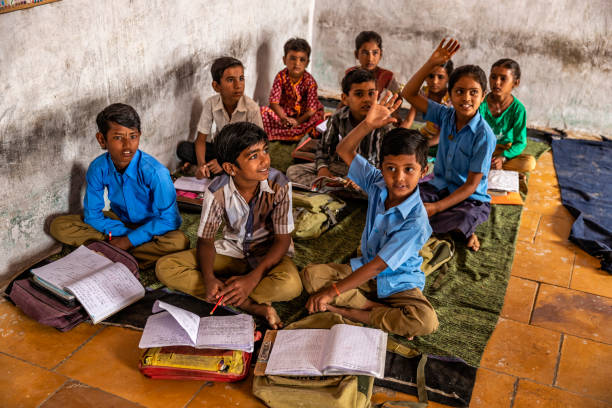
The disparity in access to high-quality education is another significant issue. While many rural areas still lack basic infrastructure like classrooms, libraries, and digital facilities, urban centres may have well-equipped schools and qualified teachers. In addition to having an impact on academic achievement, this gap impedes the social and personal growth of students in underprivileged areas.
Additionally, a greater focus on skill development and vocational training is required in the educational system. Professionals with expertise in technology, design, engineering, and trade-based fields are in greater demand as industries change. Youth employability would be greatly improved by bridging the knowledge gap between academia and industry demands. More skill-based courses and vocational programs can enable students to pursue alternative careers with competence and dignity.
Additionally, teacher support and training must be given top priority. Since teachers are the foundation of education, classrooms can be transformed by funding their ongoing professional development. Teachers can encourage students to think critically, explore new concepts, and become lifelong learners by using modern pedagogical techniques, digital resources, and motivational support.
In addition, the curriculum itself needs periodic revision to stay relevant. Including subjects that foster innovation, financial literacy, environmental awareness, and mental well-being will better prepare students for the complexities of modern life. Education should not only aim to produce graduates but responsible citizens capable of contributing positively to society.
Improvement in the Indian education system also calls for collaboration between government, educators, parents, and communities. Meaningful dialogue and shared responsibility can lead to effective reforms that reflect the aspirations of students and the needs of the nation.