The Future of the Fashion Industry The fashion industry is experiencing a significant change. Once known for mass production and rapidly changing trends, fashion is now moving towards a more responsible, technology-driven, and eco-friendly approach. This shift has led to the rise of sustainable and smart fashion, a movement that combines environmental responsibility with innovation and digital intelligence. As consumers grow more aware of their environmental impact, sustainable and smart fashion is no longer just a choice; it is the future. Institutions and training centers like caddeskghaziabad.com are essential in shaping this future. They equip aspiring designers and professionals with the skills and tools needed to create a greener and smarter fashion industry. Understanding Sustainable Fashion Sustainable fashion aims to reduce the environmental and social impact of clothing production. It emphasizes ethical labor practices, eco-friendly materials, reduced waste, and durable designs. Traditional fashion plays a significant role in pollution, water usage, and textile waste. Sustainable fashion seeks to reverse these trends.

Key elements of sustainable fashion include:
Use of organic, recycled, or biodegradable materials
– Ethical manufacturing and fair wages – Reduced carbon footprint
– Minimal waste production techniques – Timeless designs instead of fast fashion trends Today’s consumers favor brands that share their values, making sustainability not just an ethical obligation but also a smart business move. What Is Smart Fashion? Smart fashion combines fashion with technology. It includes digital design tools, smart textiles, wearable technology
AI-driven processes to improve efficiency, creativity, and functionality. Smart fashion transforms how garments are designed, produced, and used.
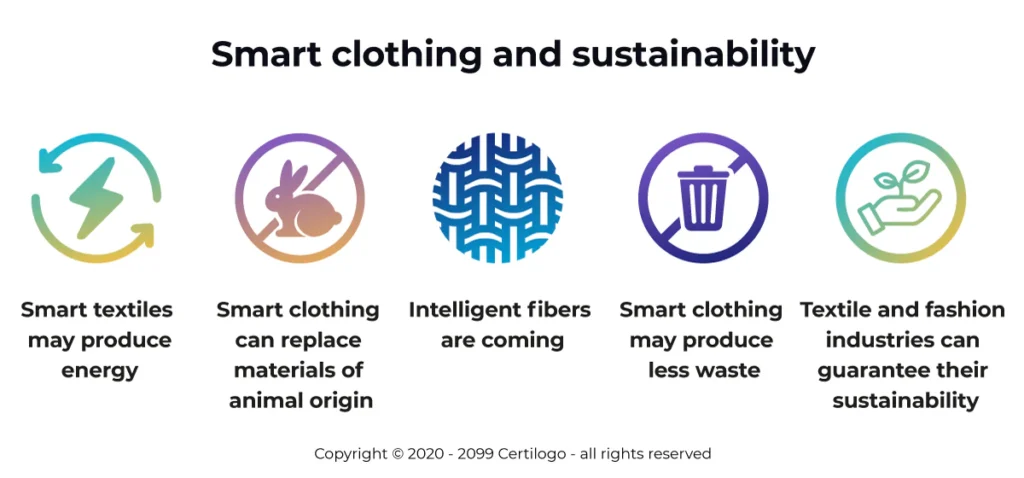
Examples of smart fashion include:
– Clothes with sensors for health and fitness tracking
– Temperature-regulating fabrics – CAD-designed garments for perfect fitting
– Virtual fashion and digital clothing
– AI-powered trend forecasting By incorporating technology, designers can reduce errors, save resources, and create innovative designs that meet modern consumer needs.
The Role of Technology in Sustainable Fashion Technology
The Role of Technology in Sustainable Fashion Technology connects sustainability with smart fashion. Digital tools help reduce material waste, energy use, and production costs. Computer-Aided Design (CAD) software allows designers to create accurate patterns, simulate fabrics, and visualize garments before they are physically made. Platforms like caddeskghaziabad.com are crucial in this process. They provide professional training in CAD software and design technology, which helps fashion students and professionals: – Reduce fabric waste through precise digital pattern making – Optimize garment fit without needing multiple physical samples – Improve production efficiency – Design innovative and sustainable collections Digital fashion design saves time and money while promoting environmentally friendly practices.
Sustainable Materials and Smart Textiles
A major part of sustainable and smart fashion is the use of innovative materials. Eco-friendly fabrics like organic cotton, bamboo fiber, hemp, recycled polyester, and biodegradable textiles are becoming common. Smart textiles go further by integrating technology into fabrics.
What Is Smart Fashion?
Smart fashion combines fashion with technology. It includes digital design tools, smart textiles, wearable technology, and AI-driven processes to improve efficiency, creativity, and functionality. Smart fashion transforms how garments are designed, produced, and used.