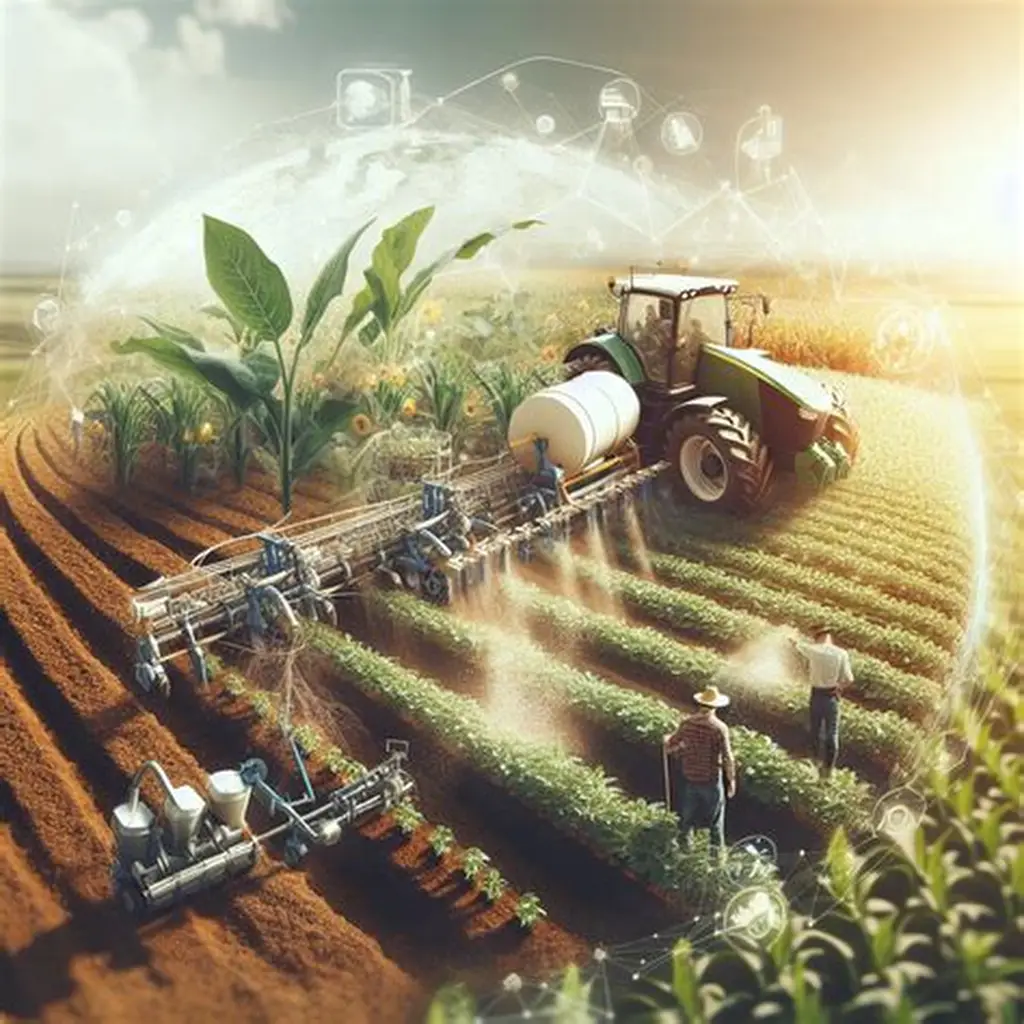
India’s economy has always been based on agriculture, which has shaped millions of people’s lives and cultures throughout the nation. Farming is still essential to India’s food security, rural employment, and socioeconomic stability, despite the country’s rapid urbanization and tech-driven growth making headlines. Although the industry has changed dramatically over the years, it still faces persistent problems that require creativity, legislative changes, and community-based solutions.
📌 Why Agriculture Matters in India
India’s farming industry
- Engages over half the workforce and supports rural populations.
- Ensures food security for a population exceeding 1.4 billion people.
Yet, despite its importance, agricultural productivity and farmer incomes have struggled to keep pace with other sectors — a gap that governments, NGOs, and communities are striving to close.
🌱 Traditional Challenges in Indian Farming
Indian agriculture operates in a complex landscape, marked by structural and environmental hurdles:
Small, fragmented landholdings limit economies of scale, mechanisation, and efficiency in resource use.
Although irrigation has expanded, many farms still rely on monsoon rains. Water scarcity and inefficient usage remain major concerns.
Farming is inherently tied to weather — droughts, floods, and temperature shifts directly impact yields, especially for rain-fed farmers.
Poor storage, limited grading facilities, and long supply chains lead to high post-harvest losses and reduced farmer income.
Traditional practices persist due to limited access to modern tools, agronomic data, and digital services — a key barrier to productivity.
🌾 How India Is Transforming Its Agriculture
Despite obstacles, Indian agriculture is adapting through sustainable practices, technology, and policy support.
Organizations like the S M Sehgal Foundation promote climate-smart and sustainable agricultural practices, such as:
- Improving soil health and nutrient management.
- Encouraging water-efficient irrigation like micro-irrigation and water conservation techniques.
- Teaching crop production management and pest control to increase yields responsibly.
- Promoting small farm mechanisation and entrepreneurship among marginal farmers.
These initiatives aim to improve productivity, reduce input costs, and enhance farmers’ incomes — especially for small-holders who make up a large portion of India’s farming community.
Innovation is reshaping farming in India:
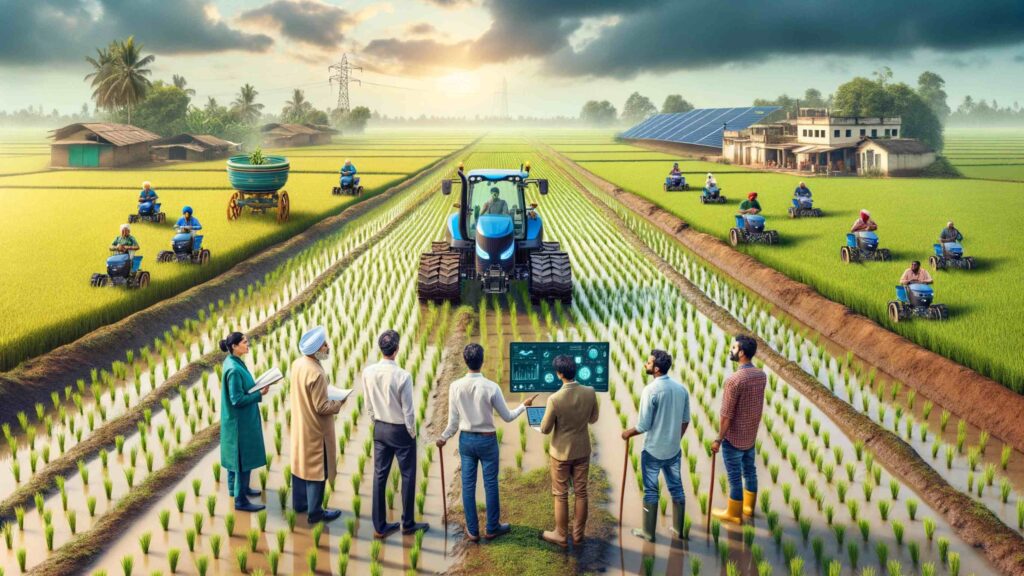
- Digital Agriculture & AgriStack frameworks are expanding access to real-time data, weather forecasts, and personalized farming insights.
- Drones and precision farming tools help optimise input use (fertilisers, water) and reduce wastage.
- Modern seed varieties and improved agronomy practices are helping farmers become more resilient to climate shifts.
Government schemes focus on enhancing productivity and farmer welfare:
- Budget increases aimed at strengthening infrastructure, storage, and rural financing.
- Initiatives to modernise supply chains and improve export competitiveness.
Collectively, these efforts seek to double farmers’ incomes, reduce vulnerability, and align rural development with national growth targets.
🌍 Modern Trends & Social Shifts
Indian agriculture is becoming more inclusive and entrepreneurial:
- Farmer Producer Organizations (FPOs) are gaining traction by enhancing farmers’ access to markets, finance, and collective bargaining power.
- Women farmers are increasingly involved in decision-making and enterprise development.
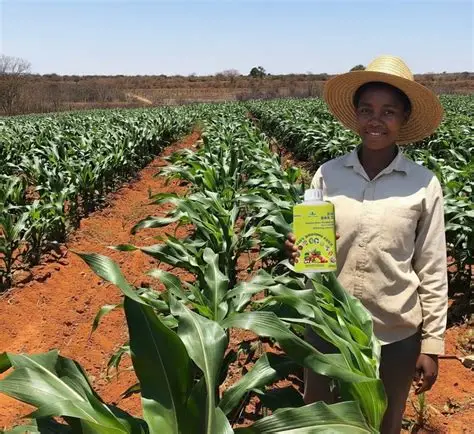
- Climate-resilient practices, like bio-fertiliser use in states such as Andhra Pradesh, are building soil health and reducing chemical dependency.
🌟 A Path Forward for Indian Farming
Farming in India is at a crossroads. It still faces significant structural challenges, yet the drive toward sustainability, innovation, and market integration offers a hopeful horizon. The future depends on:
✔️ Scaling technology adoption across rural communities
✔️ Strengthening infrastructure and market access
✔️ Supporting small farmers and women entrepreneurs
✔️ Promoting climate-resilient agriculture
When empowered with tools, knowledge, and institutional support, Indian farmers — the true stewards of the land — can not only feed the nation but thrive in a rapidly changing world.
📌 Final Thought: Indian agriculture is more than an economic activity; it is a cultural legacy and a social lifeline. Nurturing it sustainably ensures prosperity, health, and resilience for generations to come. 🌾