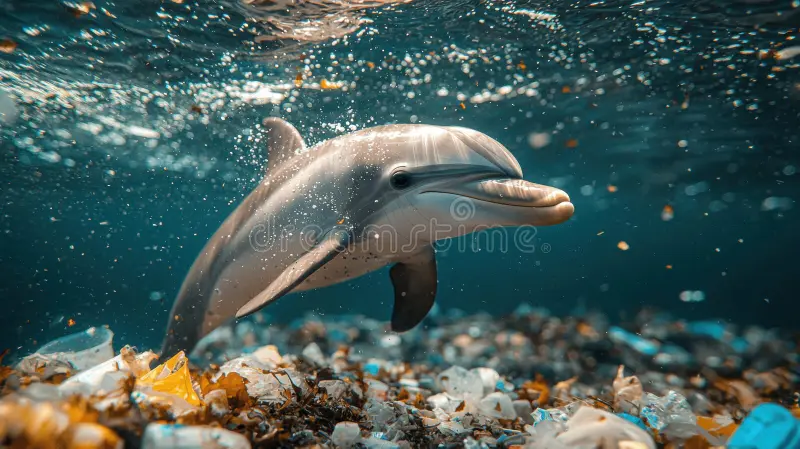
Water animals are animals that live in water bodies such as oceans, seas, rivers, and lakes. These animals are specially adapted to survive in aquatic environments. Water animals play an important role in maintaining the balance of nature and supporting life on Earth.
Types of Water Animals
There are many types of water animals. Fish are the most common and breathe through gills. Examples include salmon, goldfish, and sharks. Aquatic mammals such as whales, dolphins, and seals breathe air through lungs but live mostly in water. Amphibians like frogs live both on land and in water, while reptiles such as turtles and crocodiles spend much of their life in water.
Advantages of Water Animals
Water animals provide many benefits to humans and the environment. They are an important source of food, such as fish and seafood, which provide protein and nutrients. Water animals help maintain ecological balance by controlling population levels of other species. They also support industries like fishing and tourism and contribute to scientific research and medicine.
Disadvantages of Water Animals
Despite their benefits, some water animals can cause disadvantages. Dangerous animals like sharks, jellyfish, and crocodiles can harm humans. Overpopulation of certain species can disturb ecosystems. Additionally, fishing industries may face challenges due to declining water animal populations caused by pollution and overfishing.
Conclusion
Water animals are an essential part of our planet’s ecosystem. They support human life, maintain natural balance, and provide economic benefits. However, human activities threaten their survival. Protecting aquatic habitats and using natural resources responsibly is important to ensure water animals continue to thrive. By caring for water environments, we help preserve life for future generations.