Taxation is an unavoidable unavoidable and right of every country. In India, taxation supports public services with financial resources, contributes to infrastructure development, corrects income disparity, and improves the overall economic situation of the country. A correctly structured taxation system allows the ruling power to meet its financial obligations while at the same time promoting stability and welfare in the economy. The system is also essential for the government and businesses that try to comply with the law and plan their finances responsibly.
Definition of Taxation
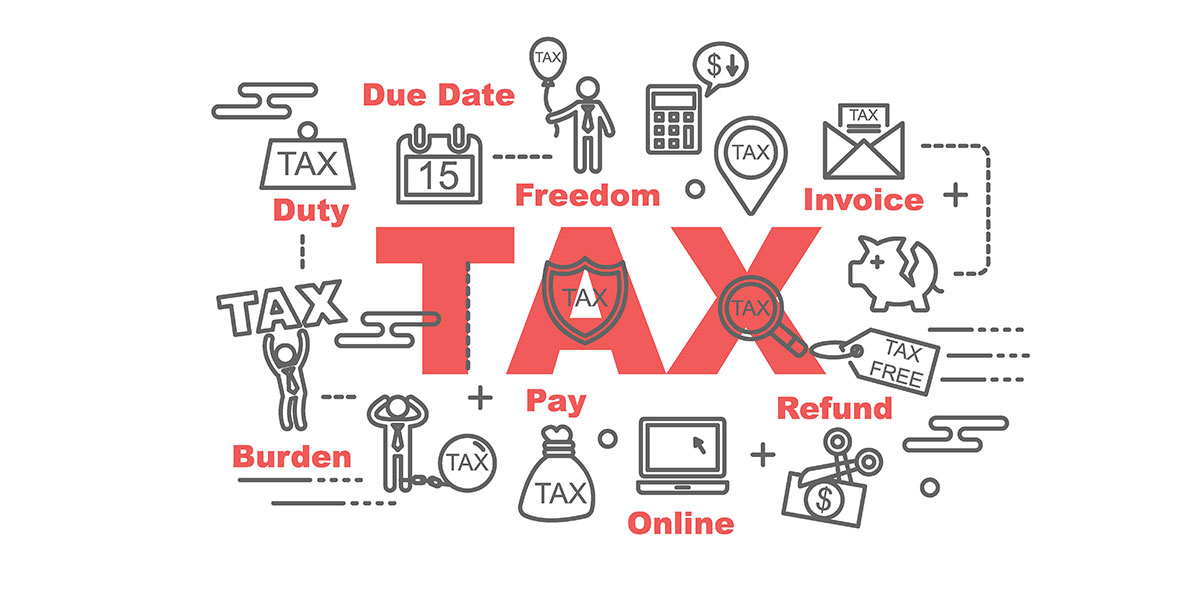
Taxation means the unavoidable financial burden which the government imposes on the persons, businesses, and other entities. The government will obtain these taxes to create revenue for public expenditures like healthcare, education, defense, transportation, and welfare schemes. Taxation, in India, is controlled by laws and operated by authorized bodies that are responsible for ensuring justice, openness, and accountability in the whole process.
Types of Taxes in India
The Indian taxation system is generally classified into two broad categories: Direct Taxes and Indirect Taxes.
Direct Taxes refer to taxes that individuals or organizations pay directly to the government. A typical example is income tax, which is imposed on the income of individuals, Hindu Undivided Families, corporations, and other entities. Direct taxes are structured in a way that they are progressive, i.e., higher income earners are taxed at a higher rate. This serves the dual purpose of curbing economic disparity and promoting social justice.
Indirect Taxes, on the other hand, are levied on goods and services and are ultimately borne by the consumers in an indirect manner. These taxes are embedded in the prices of the products or services. While consumers are the taxpayers of indirect taxes, it is the sellers who collect them and then transfer to the government. The introduction of a single tax system has streamlined the indirect taxation structure in India and has also made the compliance process simpler for the businesses.
Objectives of Taxation
India’s taxation system comprises a plethora of objectives. The foremost purpose is to raise revenue for the government so that it can perform its duties in an efficient manner. Taxes are also a means of regulating economic activities; for instance, by discouraging harmful consumption and, on the other hand, directing savings and investments towards the right places. Moreover, the government can use taxation as a method for achieving social goals like poverty alleviation, job creation, and equal development of regions.
In addition, tax policy can be seen as a measure for controlling the economy’s ups and downs. Prices going up may lead to imposition of heavy taxes to curb demand, while at the same time, in the case of an economic downturn, tax cuts could be applied to encourage people to spend and thus, revitalize the economy.
Importance of Income Tax Compliance
Every taxpayer who is eligible must legally and morally comply with the income tax regulations. Timely filing of income tax returns promotes transparency and assists the government in accurately determining the income and tax liability of both individuals and organizations. Regular compliance also keeps the door open for taxpayers to claim refunds, carry forward losses, and have a clean financial record.
In order to make tax-related information, filing, and taxpayer education easily accessible, the Indian government offers a complete online platform at https://www.incometax.gov.in/iec/foportal/. This portal has tools and services that are easy to use, along with instructions and support, which impart the knowledge to taxpayers that their rights and duties under the income tax laws.
Taxpayer Education and Awareness
The power of tax awareness is very significant when it comes to voluntary compliance. Taxpayers in large numbers find it hard to cope with the tax system mainly due to their lack of knowledge of tax laws, exemptions, deductions, and procedures. Knowledgeable taxpayers are not only able to plan their finances but also get to avoid penalties and legal issues in a better way.
The site https://www.incometax.gov.in/iec/foportal/ is one of the major players in the tax awareness campaign as it is the only source providing educational material, updates, and guidance in a very simplified way. It enables the public to understand the filing of taxes, deadlines, and the changes in taxation easily, thus increasing the tax system’s transparency and trustworthiness.
Challenges in the Indian Tax System
Indian taxation has undergone reforms but still suffers from challenges arising from tax evasion, the complexity of procedures for some taxpayers, and the low-level awareness of the existence of tax among certain population segments. The government is investing money in making laws easier, digitizing processes, and using technological solutions to help taxpayers comply with the laws.
The digital initiatives have done wonders in the collapse of paperwork, the rise in efficiency, and the strengthening of accountability. Taxation has become more user-friendly and less time-consuming for taxpayers all over the country thanks to online filing, electronic verification, and centralized systems.

Conclusion
Taxation in India is a powerful instrument for economic development and social progress. A fair and transparent tax system ensures that the burden is shared equitably while enabling the government to invest in national growth. Understanding taxation and fulfilling tax responsibilities strengthens democracy and contributes to nation-building.
With the availability of reliable information and services on platforms like https://www.incometax.gov.in/iec/foportal/, taxpayers can stay informed, compliant, and confident in managing their tax obligations. A well-informed taxpayer community is the foundation of a strong and sustainable economy.
Sarojakanta Swain