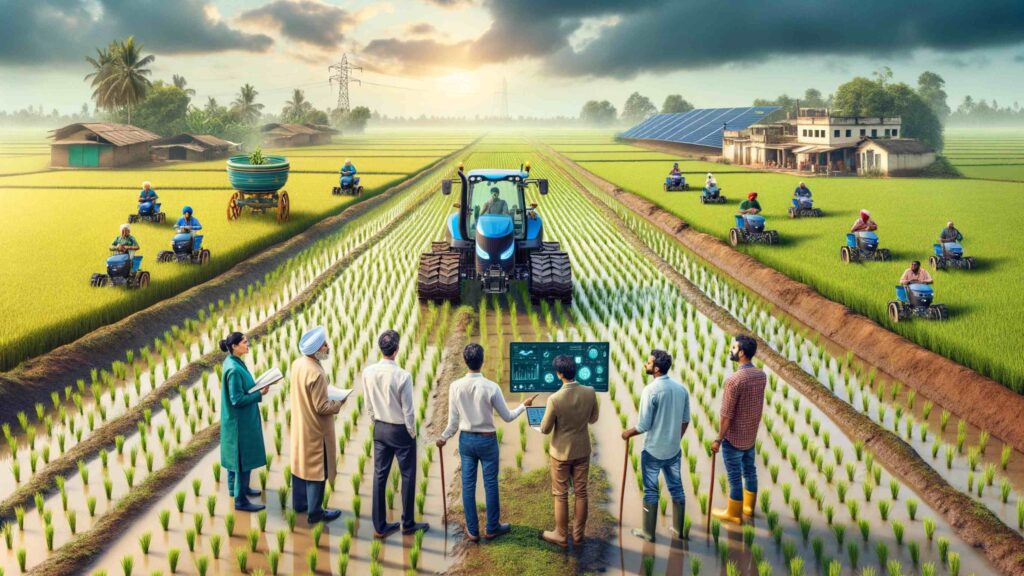
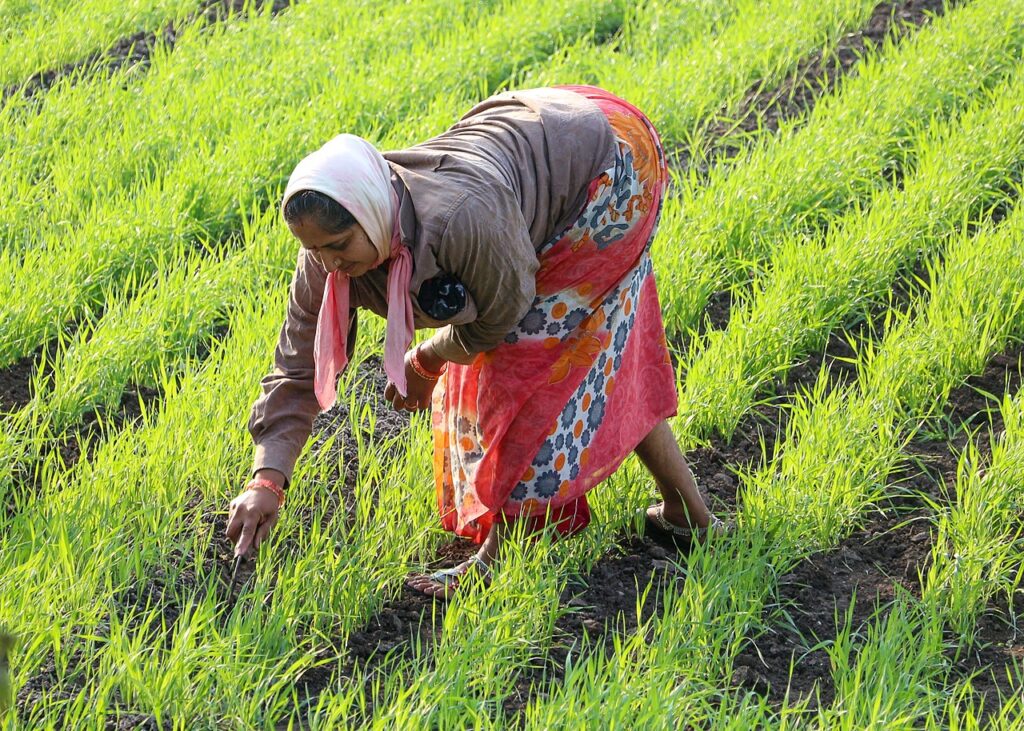
Agriculture has always been the backbone of India’s economy, shaping the livelihoods and culture of millions across the country. While rapid urbanisation and tech-led growth make headlines, farming remains central to India’s food security, rural employment, and socio-economic stability. The sector has evolved significantly over the decades — yet it still faces deep-rooted challenges that call for innovation, policy reform, and community-driven solutions.
🌱 Traditional Challenges in Indian Farming
Indian agriculture operates in a complex landscape, marked by structural and environmental hurdles:
Small, fragmented landholdings limit economies of scale, mechanisation, and efficiency in resource use.
Although irrigation has expanded, many farms still rely on monsoon rains. Water scarcity and inefficient usage remain major concerns.
Farming is inherently tied to weather — droughts, floods, and temperature shifts directly impact yields, especially for rain-fed farmers.
Poor storage, limited grading facilities, and long supply chains lead to high post-harvest losses and reduced farmer income.