India is known for its diversity—different cultures, languages, traditions, and beliefs living together in one nation. Yet, beneath this richness lies a deep-rooted issue that continues to divide society: casteism. Even in a modern and developing India, where technology is advancing and opportunities are expanding, caste-based discrimination still exists in many forms. It may not always be visible, but its impact is real and long-lasting.
Casteism is not just a social issue; it is a barrier to equality, growth, and human dignity. To build a truly progressive society, it is important to understand its roots, its present reality, and the steps needed to overcome it.
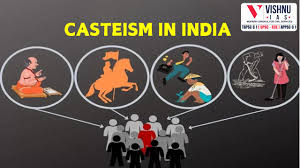
The Origin and Evolution of the Caste System
The caste system in India has ancient origins. It was initially based on occupation and responsibilities, dividing society into different groups for better organization. Over time, this system became rigid and hierarchical, turning into a structure where one’s birth determined their social status.
What began as a functional system slowly transformed into a discriminatory one. People were judged not by their abilities but by their caste. This created a sense of superiority in some groups and deep inequality for others, especially those considered “lower” in the hierarchy.
Even though modern laws reject such divisions, the mindset built over centuries cannot disappear overnight.
Casteism in Modern India: A Hidden Reality
Many people believe that casteism no longer exists in cities or among educated individuals. However, it often appears in subtle ways. It can be seen in social interactions, marriage preferences, job opportunities, and even in everyday conversations.
For example, matrimonial ads often still mention caste preferences. In some workplaces, individuals may face bias based on their background. In rural areas, the problem can be more direct, including social exclusion and unequal access to resources.
Social media has also exposed many instances where people are judged or trolled based on their caste identity. This shows that despite progress, caste-based thinking is still present in society.
Impact on Individuals and Society
Casteism affects not only individuals but the entire nation. For those facing discrimination, it can lead to loss of confidence, limited opportunities, and emotional stress. It creates a feeling of being less valued, which can deeply impact mental well-being.
On a larger scale, casteism prevents true unity. When people are divided, collaboration becomes difficult, and progress slows down. Talent and potential are wasted because individuals are not given equal chances to grow.
A society that judges people based on birth rather than ability cannot fully develop. Equality is essential for innovation, creativity, and collective success.
The Role of Education and Awareness
Education plays a powerful role in reducing casteism. When people are taught to think critically and value equality, they are less likely to believe in outdated social divisions. Schools and colleges can shape young minds by promoting respect, inclusion, and diversity.
However, education is not just about books. It is also about awareness. People need to understand the harm caused by caste discrimination and actively choose not to support it.
For instance, questioning biased traditions, avoiding caste-based stereotypes, and treating everyone with respect are small but meaningful steps toward change.
Legal Framework and Social Responsibility
India has strong laws against caste-based discrimination. The Constitution guarantees equality and prohibits practices like untouchability. Various policies and reservations have been introduced to support historically disadvantaged communities.
While these laws are important, real change requires social responsibility. Laws can punish discrimination, but they cannot change mindsets on their own. It is up to individuals to practice equality in daily life.
Respecting people for who they are, not where they come from, is the foundation of a fair society.
The Role of Youth in Ending Casteism
The younger generation has the power to bring change. Today’s youth are more connected, informed, and open-minded than ever before. They have the ability to challenge old beliefs and create a new narrative.
By building friendships beyond caste boundaries, supporting equal opportunities, and speaking against discrimination, young people can help break the cycle of casteism.
Change does not happen overnight, but every small action counts. When more individuals choose equality over bias, society gradually transforms.
Moving Towards an Equal Future

India is growing rapidly in many areas—technology, education, economy—but true progress is incomplete without social equality. A developed nation is not just one with advanced infrastructure, but one where every individual is treated with dignity and respect.
Ending casteism requires collective effort. It is not just the responsibility of the government or specific communities, but of every citizen.
Conclusion: Choosing Humanity Over Division
Casteism is a challenge that India continues to face, but it is not impossible to overcome. The key lies in changing how we think and act. When we stop defining people by caste and start valuing them as individuals, we take a step toward a better society.
Being modern is not just about using technology or living in cities—it is about having a progressive mindset. A truly successful India will be one where equality is not just written in the Constitution but practiced in everyday life.
At the end of the day, our identity should not be limited by caste. What truly matters is our character, our actions, and how we treat others. Because a society built on respect and humanity is stronger than one divided by labels.